Digital Marketing for the Greater Macarthur Growth Area (and South-West Sydney)
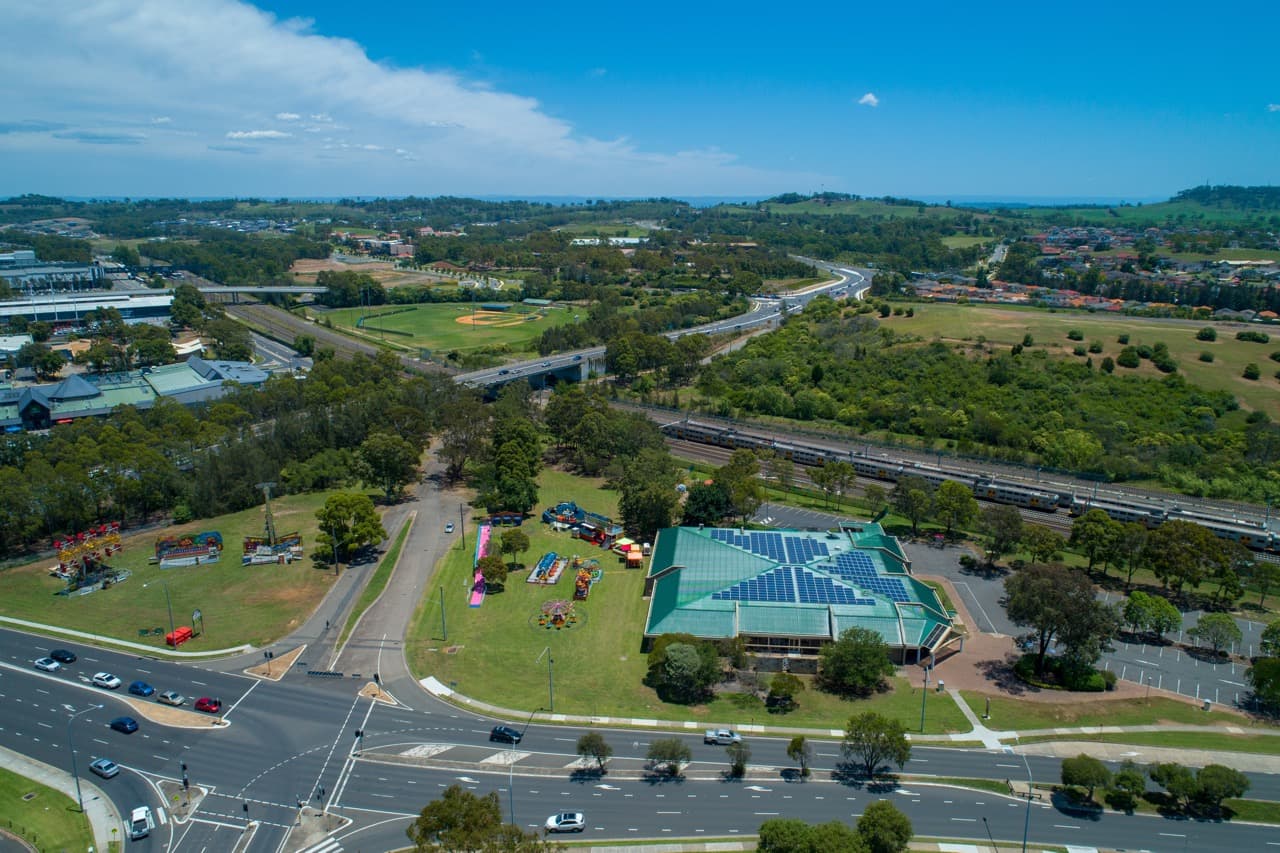
Two of NSW’s largest government-designated growth corridors are expanding right now — and most of the businesses that will eventually serve the hundreds of thousands of new residents arriving there haven’t been established yet. For business owners in or near these areas, that’s not just a demographic fact. It’s a first-mover opportunity in local search that won’t last.
This article covers what the Greater Macarthur Growth Area and South-West Growth Area mean for local businesses, and why getting your digital marketing foundation right before the population peaks is one of the smartest business decisions you can make right now.
Understanding the Two Growth Corridors
The NSW Government has designated two distinct growth areas in South-West Sydney and the surrounding region. Understanding the difference matters — not just geographically, but for how you position your business online.
The Greater Macarthur Growth Area
The Greater Macarthur Growth Area sits south of Campbelltown and encompasses new precincts at Wilton, Appin, Gilead, Menangle Park, and Mount Gilead. This corridor is planned to accommodate significant residential and employment growth, with thousands of new homes and businesses expected to develop over the coming decades. The area is adjacent to the established Macarthur region and will effectively extend the existing communities of Camden and Campbelltown southward.
The South-West Growth Area
The South-West Growth Area is a separate but equally significant corridor running along the Western Sydney Aerotropolis axis. It includes the emerging Bradfield City centre (planned as a major employment hub adjacent to the new Western Sydney International Airport), along with Leppington, Austral, and Lowes Creek Maryland. This area is already seeing significant development — Leppington in particular is one of the fastest-growing suburbs in Australia and sits within the Camden LGA.
Together, these two growth areas represent some of the most significant planned urban development in NSW over the next 20 years. According to the NSW Department of Planning, the Greater Macarthur Growth Area alone is expected to provide homes for a growing community connected to expanding employment centres (NSW Department of Planning, Greater Macarthur Growth Area Overview, 2023).
Why the First-Mover Advantage in Local Search Is Real
Local SEO rewards incumbency. A business that establishes strong Google rankings in a suburb today will be significantly harder to displace in three years than a business trying to break into an already-competitive market. Google factors in the age of a business profile, the volume and consistency of reviews over time, and the depth of location-relevant content on the website — all things that compound with time.
Right now, search volumes for suburb-specific service queries in the Greater Macarthur and South-West Growth Area precincts are low — because the population is low. “Plumber Wilton”, “accountant Austral”, “digital marketing Appin” get relatively few searches per month. That also means almost no competition. A business that starts building its local SEO presence in these precincts today faces almost no rivals for those keywords.
In three to five years, as residential development accelerates and population grows, those same search terms will become significantly more competitive. The businesses ranking at the top then will mostly be the ones who started early. This is the same pattern that played out in Gregory Hills, Oran Park, and Leppington — now among the most searched suburbs in the Camden LGA, where competition for local service searches has grown substantially compared to five years ago.
What Your Digital Foundation Needs to Look Like
For a business operating in or planning to serve the Greater Macarthur Growth Area or South-West Growth Area, the digital marketing foundation is straightforward — but it needs to be built intentionally.
Google Business Profile with the Right Service Areas
Set your Google Business Profile service area to include the specific precincts you intend to serve — not just your current suburb. If you’re based in Campbelltown but plan to serve Wilton as it develops, add Wilton to your service area now. Google allows service-area businesses to set radius-based coverage, so you can cover these emerging precincts before they formally appear as high-volume search targets.
Location-Relevant Content on Your Website
Your website should reference the growth area precincts you intend to serve. This doesn’t mean thin, keyword-stuffed location pages — it means genuine content that acknowledges the development of these areas and your positioning to serve businesses and residents there. A well-written page about your services in the Wilton or Appin area, referencing the planned development and what that means for local businesses, will be both useful to readers and a meaningful SEO signal.
A Website Built to Convert New Residents
People moving into new growth area suburbs are establishing relationships with local service providers from scratch. They don’t have a family plumber, a trusted accountant, or an established digital marketing agency. They’re making these decisions based almost entirely on online signals — Google searches, reviews, and website quality. A website that loads quickly, explains your services clearly, and shows genuine local credibility (reviews, local knowledge, local presence) will convert these new residents at a significantly higher rate.
The Local Advantage: Being Part of the Community
There’s a meaningful difference between a business that claims to serve an area and a business that’s actually part of it. For the Greater Macarthur Growth Area and South-West Growth Area, the businesses best positioned to capture local search demand are those with genuine roots in the Macarthur region — not Sydney CBD agencies targeting these suburbs from a distance.
Google’s local ranking algorithm increasingly rewards what it calls “prominence” — signals that a business is genuinely well-known and trusted in its area. That includes local press mentions, involvement in local business chambers (the Camden Business Chamber and Campbelltown City Business Chamber are both active), local citations, and the geographic consistency of your online presence. These aren’t things you can replicate quickly from outside the region.
For businesses already based in Camden, Campbelltown, Narellan, or the surrounding Macarthur communities, the local authority you’ve built over years of operating in the region is a genuine competitive moat as these growth areas develop.
Frequently Asked Questions
When should a business start targeting the Greater Macarthur Growth Area in its digital marketing?
Now, or as soon as you have capacity to serve customers there. Local SEO takes time to compound — businesses that start building their presence in growth area precincts 12–18 months before peak development will hold a significant ranking advantage over those who wait.
Does it make sense to target Wilton or Appin if almost nobody lives there yet?
Yes — because Google’s ranking algorithm rewards history and authority, not just current search volume. A business that starts accumulating reviews, content, and citations for Wilton today will rank far more easily for “plumber Wilton” searches in 2027 than a business that starts in 2026 when the population has arrived.
What’s the difference between the Greater Macarthur Growth Area and the South-West Growth Area?
The Greater Macarthur Growth Area covers precincts south of Campbelltown — Wilton, Appin, Gilead, Menangle Park, and Mount Gilead. The South-West Growth Area is a separate NSW Government designation covering the Western Sydney Aerotropolis corridor, including Bradfield City, Leppington, Austral, and Lowes Creek Maryland. Both are significant growth areas, but they are distinct planning zones with different timelines and characteristics.