Reflect and Set New Goals Like a Marketing Guru
As the new financial year begins in Australia, it’s an ideal time to reflect on the past year’s achievements and shortcomings, and to set new goals for the upcoming months. In the fast-paced world of marketing, staying on top of trends, adapting strategies, and setting new objectives is crucial for continued success. Here’s how to effectively reflect on the past and set new goals like a marketing guru.
Reflect on Achievements and Shortcomings
Analyse Your Performance
Start by reviewing your marketing performance over the past year. Look at key metrics such as engagement rates, conversion rates, and return on investment (ROI). Tools like Google Analytics, Ahrefs, and SEMrush can provide valuable insights into what has worked and what hasn’t.
Celebrate Wins
Acknowledge and celebrate your successes. Recognising achievements not only boosts morale but also provides a foundation for building future strategies. Whether it’s a successful campaign or meeting your quarterly targets, take a moment to appreciate the hard work that led to these wins.
Identify Areas for Improvement
Pinpoint the areas where your marketing efforts fell short. Was it the content, the timing, or the channels used? Understanding these shortcomings allows you to address them effectively. For instance, if engagement on social media platforms was low, consider experimenting with different types of content or posting times.
Revisit and Revise Goals
SMART Goals
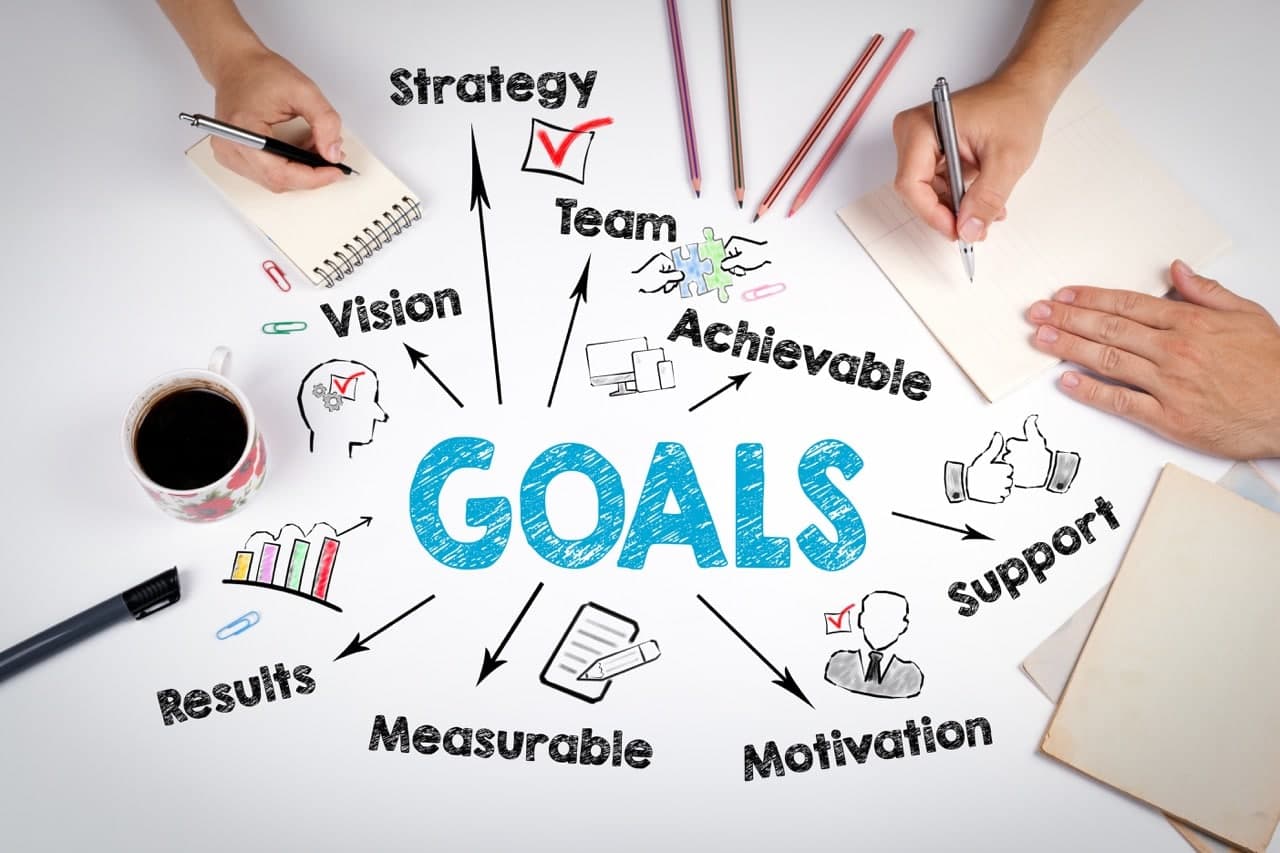
Reevaluate your goals to ensure they are SMART (Specific, Measurable, Achievable, Relevant, and Time-bound). This framework helps in creating clear and actionable objectives. For example, instead of setting a vague goal like “increase website traffic,” aim for “increase website traffic by 20% over the next three months through targeted SEO strategies.”
Align with Business Objectives
Your marketing goals should align with your overall business objectives. If your company is focusing on expanding its product line, your marketing efforts should support this by increasing brand awareness and driving demand for the new products.
Set Short-Term and Long-Term Goals
Balance your goals by setting both short-term and long-term objectives. Short-term goals keep you motivated and provide quick wins, while long-term goals ensure you are working towards sustained growth and success.
Innovate and Adapt
Stay Updated with Trends
The marketing landscape is constantly evolving. Stay updated with the latest trends and technologies. Follow industry leaders, attend webinars, and read up on the latest research. For instance, the rise of AI in marketing, the growing importance of video content, and the shift towards personalised marketing are trends worth exploring.
Embrace New Tools and Technologies
Incorporate new tools and technologies into your marketing strategy. Automation tools like Mailchimp for email marketing, Hootsuite for social media management, and AI-powered analytics platforms can streamline processes and provide deeper insights.
Experiment and Iterate
Don’t be afraid to experiment with new ideas. A/B testing can help you understand what resonates best with your audience. Whether it’s a new content format, a different social media platform, or an unconventional marketing tactic, experimenting allows you to discover what works and refine your approach.
Foster a Growth Mindset
Encourage Continuous Learning
Foster a culture of continuous learning within your team. Encourage them to take courses, attend workshops, and earn certifications. Platforms like Coursera, LinkedIn Learning, and HubSpot Academy offer valuable resources for professional development.
Promote Collaboration
Collaboration can lead to innovative ideas and solutions. Hold regular brainstorming sessions and encourage team members to share their thoughts and feedback. A collaborative environment not only enhances creativity but also helps in identifying potential issues early on.
Embrace Failure as a Learning Opportunity
Failures are inevitable, but they provide valuable learning opportunities. Instead of dwelling on what went wrong, focus on what can be learned from the experience. This mindset shift can lead to more innovative and effective marketing strategies in the future.
Measure and Adjust
Monitor Progress Regularly
Regularly monitor your progress towards your goals. Use dashboards and reporting tools to keep track of key metrics. This ongoing assessment helps in identifying trends and making necessary adjustments in real-time.
Be Flexible
Be prepared to adjust your goals and strategies as needed. The business environment can change rapidly, and flexibility is key to staying relevant and effective. If a particular strategy isn’t yielding the desired results, don’t hesitate to pivot and try a different approach.
Celebrate Progress
Finally, celebrate your progress, no matter how small. Recognising the incremental steps towards achieving your goals can keep you and your team motivated and focused.
Reflecting on the past financial year and setting new goals involves analysis, innovation, and a commitment to continuous improvement. By analysing your performance, revisiting your goals, staying updated with trends, fostering a growth mindset, and measuring progress regularly, you can set the stage for a successful and productive year ahead.